Read
Back to Journal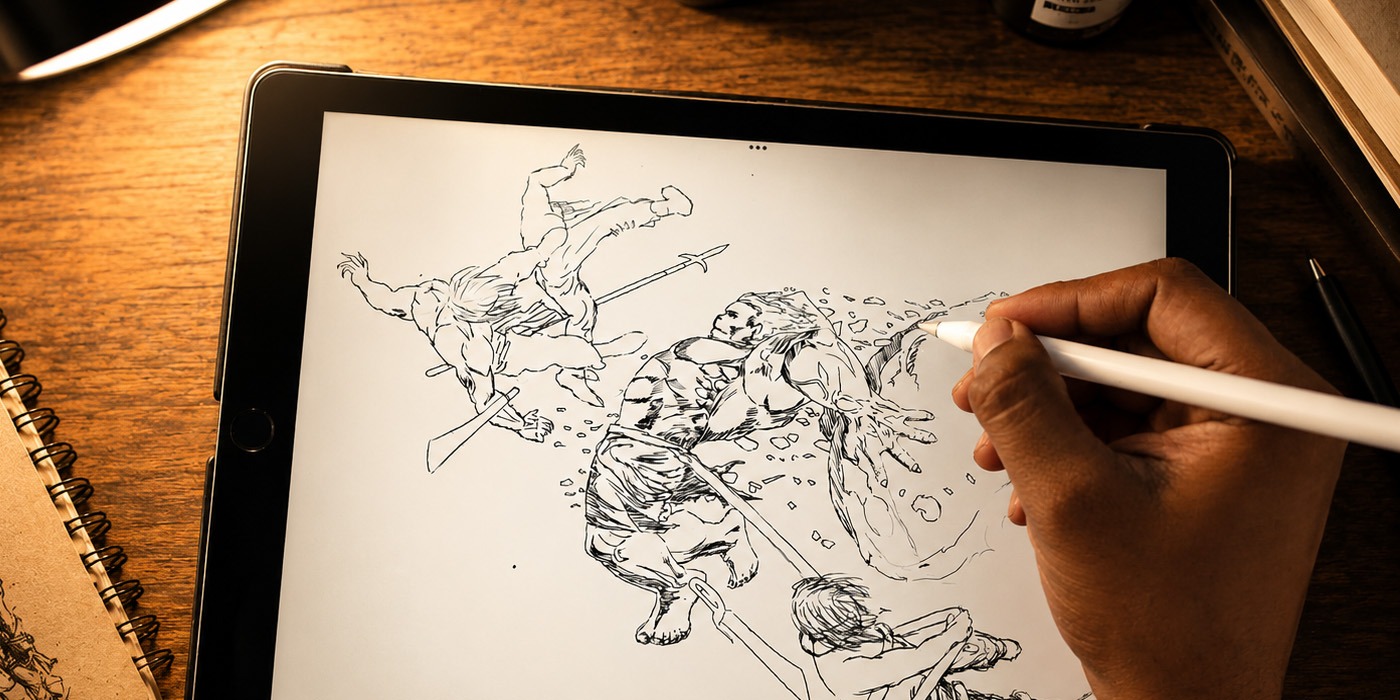
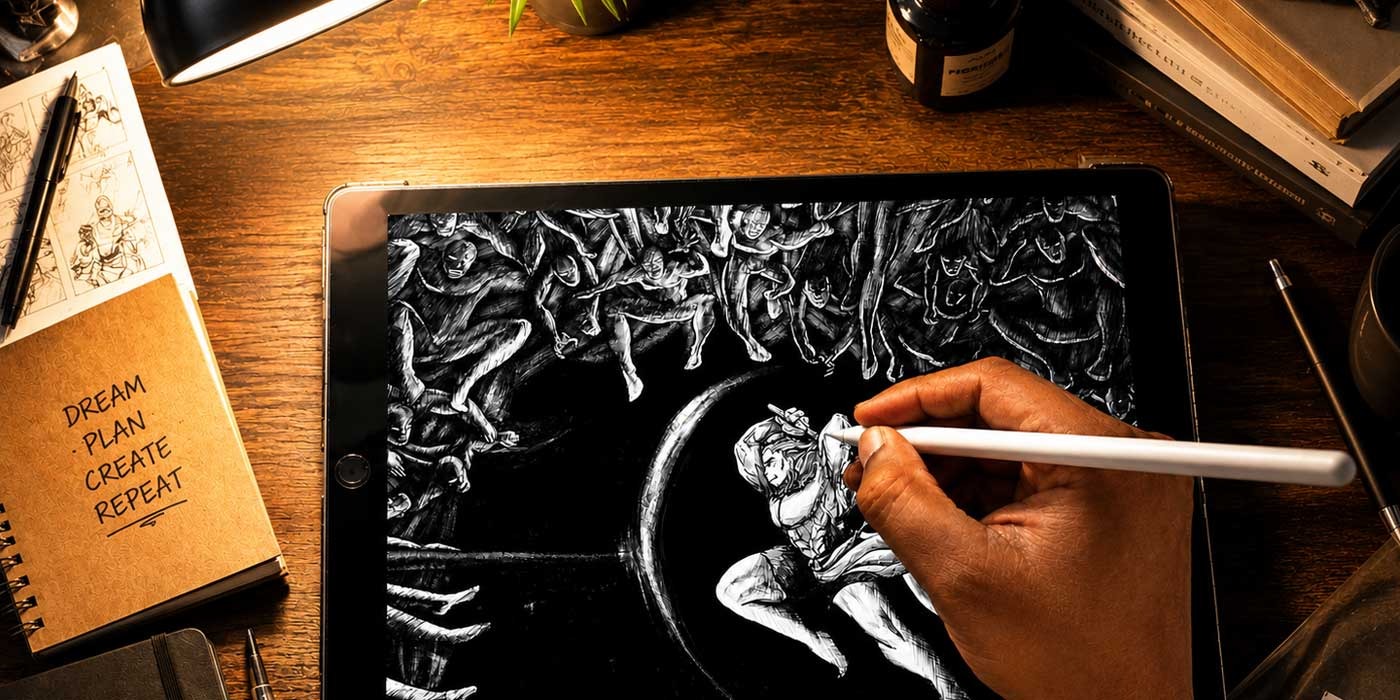
Forty-two verses. Forty-two blank pages.
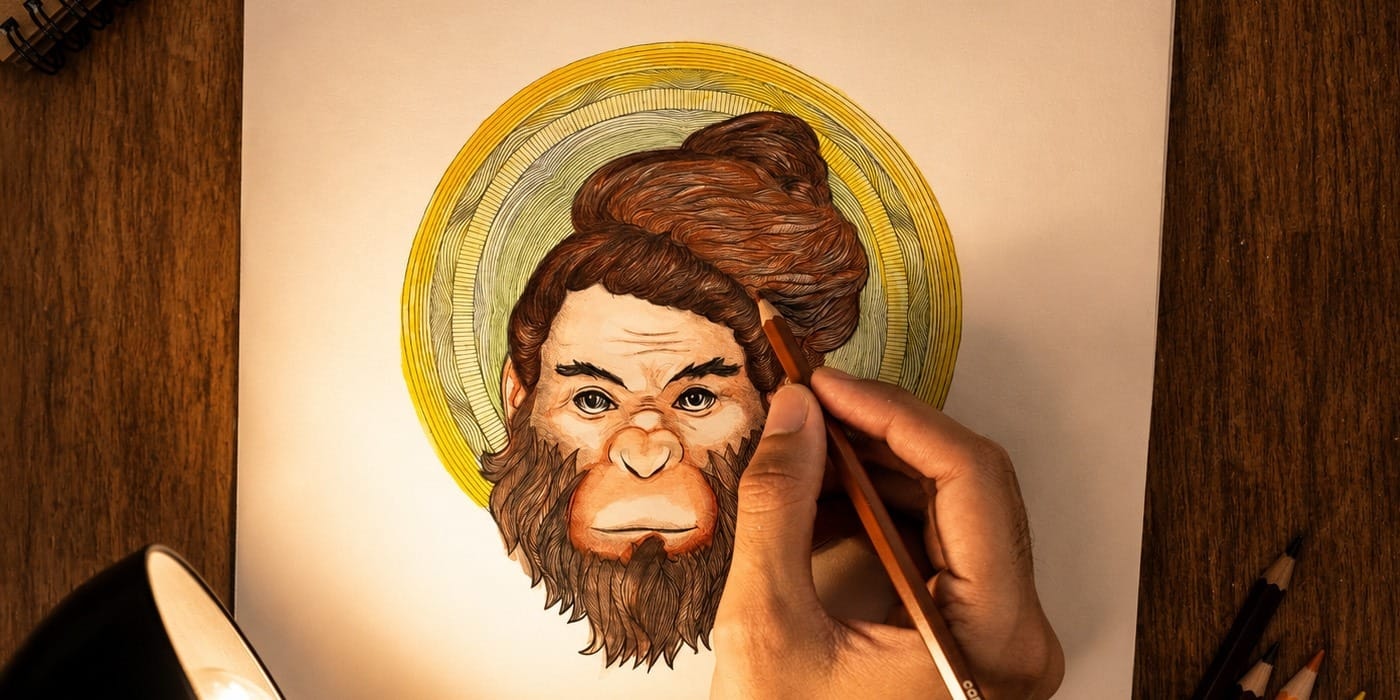
When I began illustrating the Hanuman Chalisa, I faced a daunting question: How do you draw the invisible? The text is not just a story; it is a prayer dense with philosophy and devotion. Literal scenes would have crowded the emotion. Instead, I had to find the core feeling of each chaupai before putting pencil to paper.
Sitting with the Verse
Before drawing, I would read a verse until its central emotion revealed itself. Was it the weight of a mace? The stillness before action? The devotion in a gaze?
That single element dictated the entire composition. If a verse spoke of immense strength, the lines became grounded and heavy. If it spoke of pure devotion, they softened.
The Space Between the Lines
Creating forty-two distinct artworks required a deep commitment to minimalism. In Indian mythological art, intricate detail is a rich tradition. However, I believe spiritual connection often lies in what is left undrawn.
By erasing the excess, the negative space on the page became just as important as the ink. This restraint allowed the text to breathe and left room for the viewer's own interpretation.
A Visual Rhythm
As I moved through the project, a quiet rhythm developed. The book became a visual journey — from the initial invocation, through tales of courage, to the final blessings.
This project was a meditation. It reinforced my belief that the quietest lines often carry the deepest meaning.
If you would like to see more from this collection, I invite you to explore the portfolio.