Process
From 2D Sketch to 3D Reality: Translating Illustrations into 3D Print Design
M
Manvendra SinghRead
Back to Journal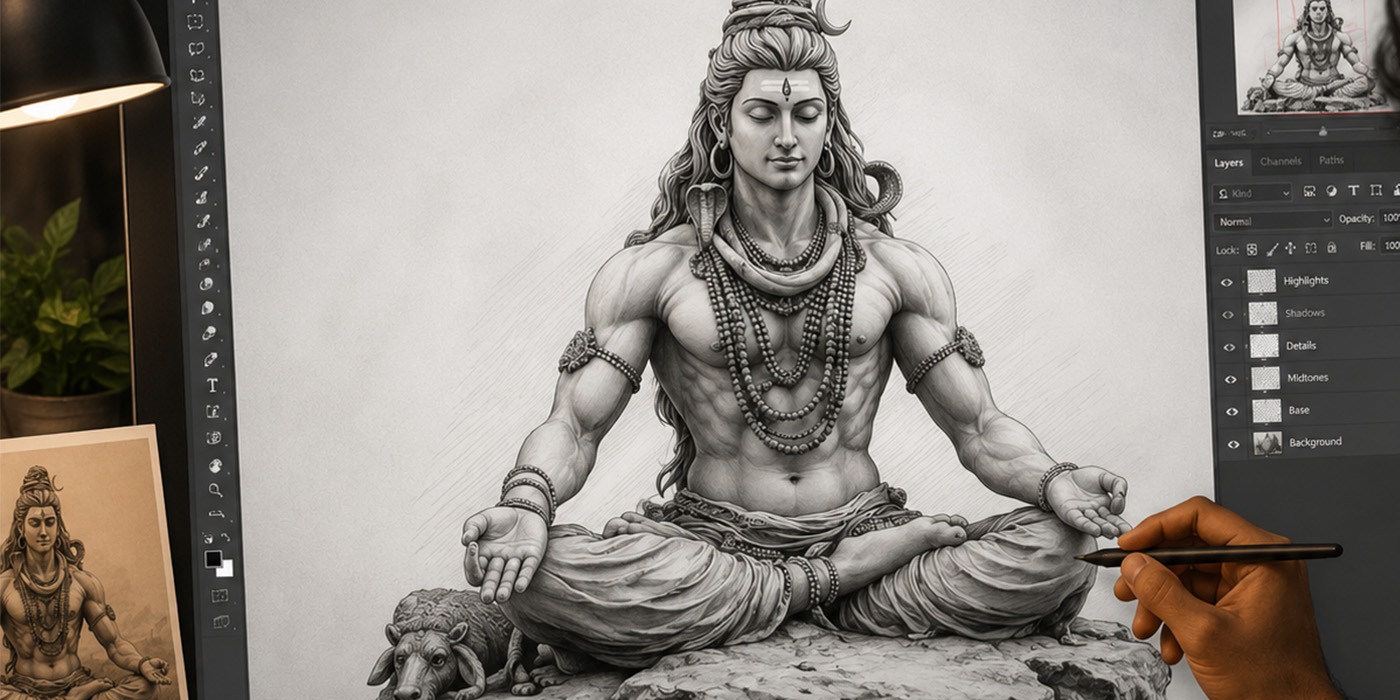
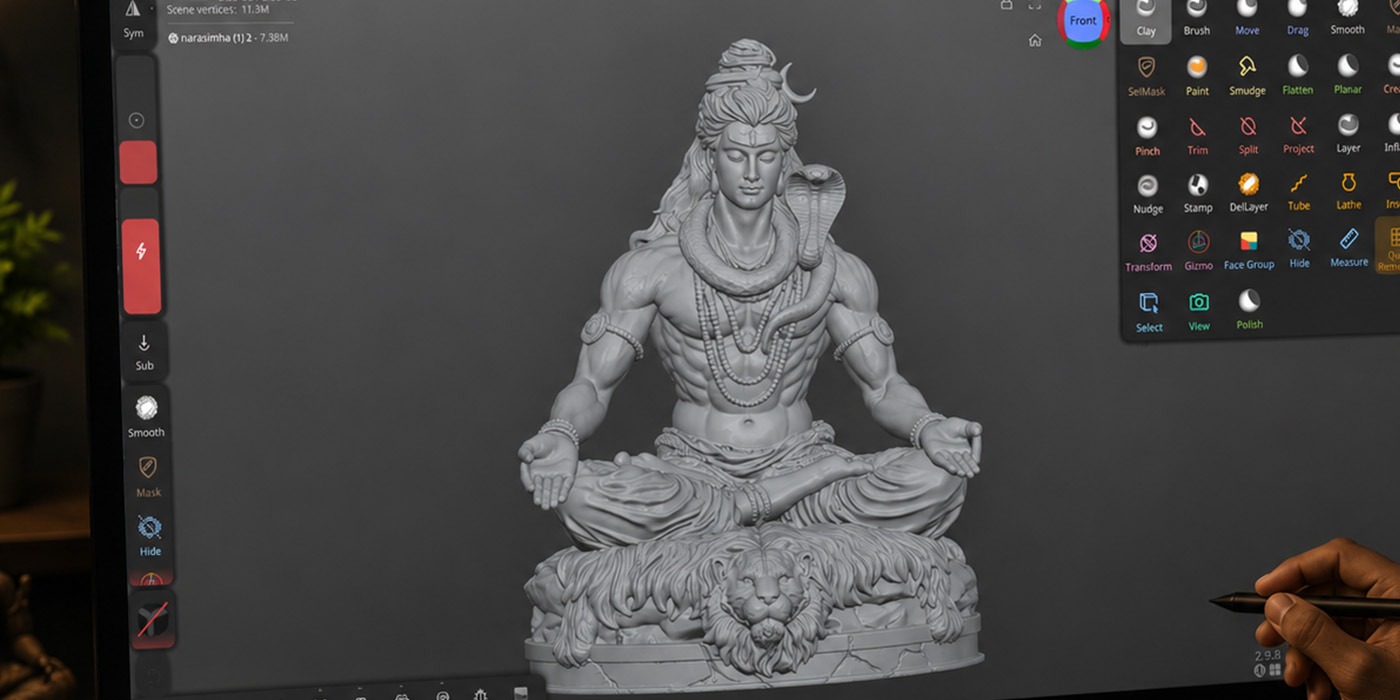
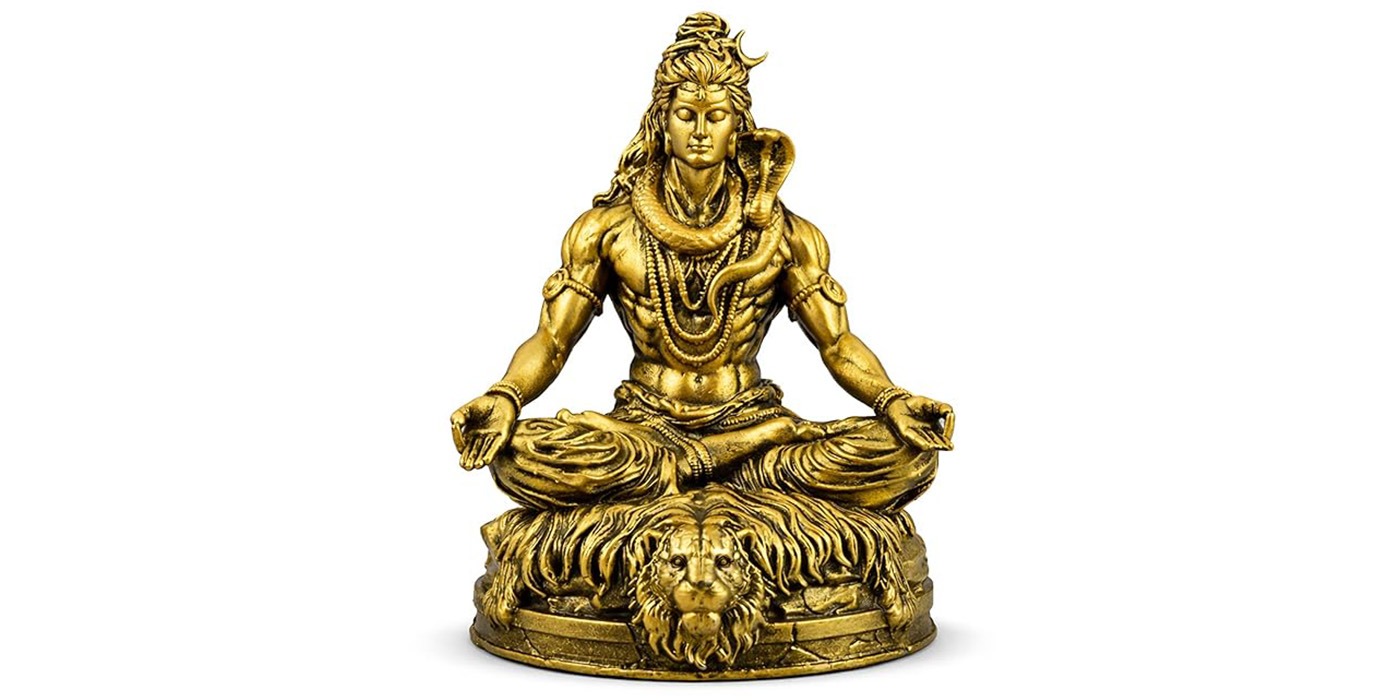
There is a unique satisfaction in seeing a flat sketch leap off the page.
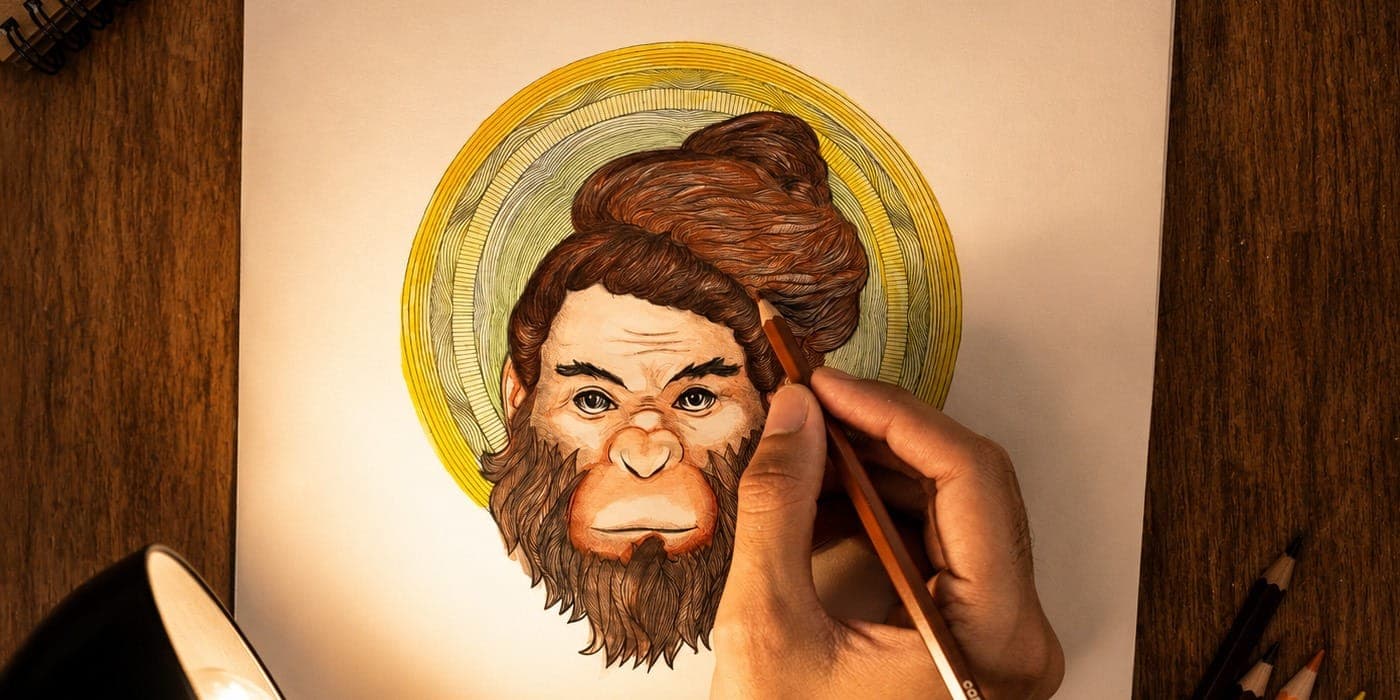
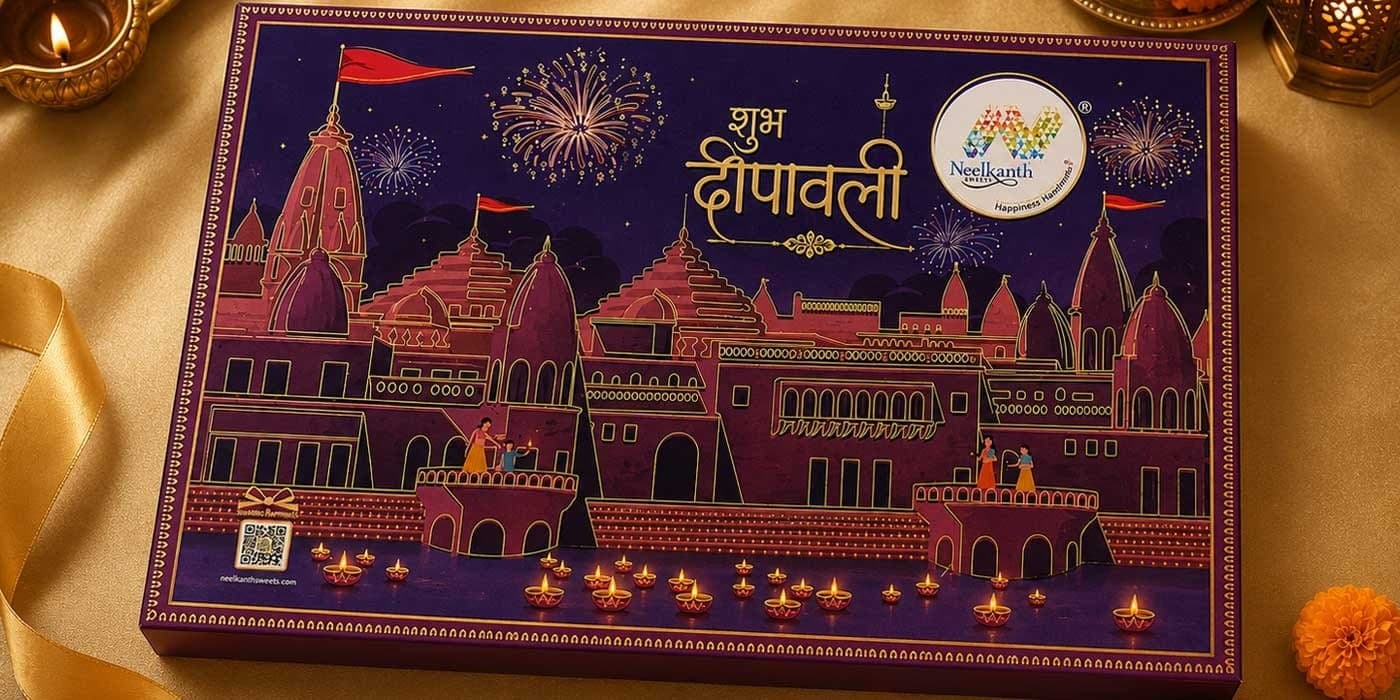
I have spent years creating 2D art for brand identities, packaging, and custom t-shirt illustrations. But the boundaries of a flat surface can sometimes limit how a story is experienced. Today, the most exciting evolution in commercial design isn't just what we draw — it's what we can physically build.
Moving from a 2D sketch to a 3D print design allows brands and creators to literally hold their art in their hands. But bridging the gap between a flat illustration and a three-dimensional object requires a deliberate, thoughtful process.
Here is how that translation happens, and why 3D modeling for collectibles is changing the way brands connect with their audiences.
The Mindset Shift: From Lines to Volume
The first step in the 2D to 3D design process is a mental one. In 2D, we rely on shading, perspective, and negative space to create the illusion of depth. In custom 3D art design, you are building actual volume.
When I take a minimalist logo or a t-shirt graphic into the 3D workspace, I have to ask different questions. How thick should this line be so it doesn't snap when printed? Where does the light naturally fall? If this is a 3D print illustration meant to be a desktop collectible or a premium brand giveaway, the physical weight of the object matters just as much as the visual weight.
It requires stripping the 2D design down to its absolute core. A minimalist approach works best here, because unnecessary clutter in 2D becomes structurally impossible in 3D.
The 2D to 3D Design Process: A Step-by-Step Approach
Taking a flat concept and engineering it for a 3D printer is a blend of artistry and technical geometry. Here is how the workflow typically unfolds.
1. The Intentional 2D Concept
It starts with a sketch. Let's say a brand wants a custom 3D-printed emblem based on their logo, or a stylized sports figure for a limited-edition collectible. The 2D illustration must be drawn with 3D adaptation in mind. Clean, bold lines and distinct silhouettes are essential — anything ambiguous in the flat version becomes a problem to solve later in three dimensions.
2. Volumetric Translation
Next, the flat vector or sketch is brought into 3D modeling software. This is where the flat paths are extruded — pulled up into three-dimensional space. A drawn line becomes a beveled ridge. A shaded circle becomes a domed surface. This stage requires an understanding of form developed over years of practice, ensuring that the original spirit of the illustration survives the transition into geometry.
3. Engineering for the Printer
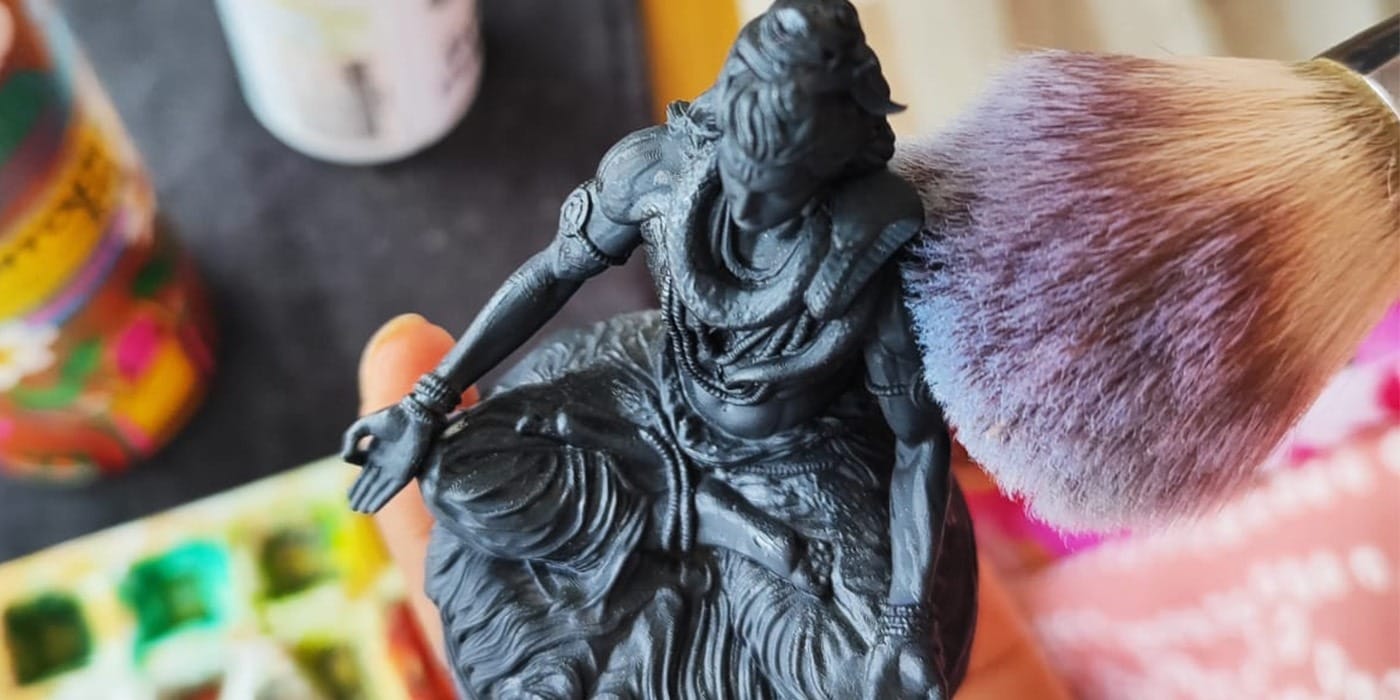
A beautiful 3D render on a screen means nothing if it collapses on the print bed. The final step in 3D print illustration is making the file watertight and physically stable. We have to account for overhangs, wall thickness, and the specific material — whether it's being printed in resin, plastic, or metal. The design must be engineered to be physically held, dropped, and displayed without losing its form.
Why Brands Are Investing in 3D Print Illustration
We are living in an increasingly digital world, which has created a deep human desire for tangible, tactile experiences.
Smart brands are recognizing this. Instead of just printing their logo on a flat piece of merchandise, they are using custom 3D art design to create premium promotional items, custom packaging elements, and limited-edition collectibles.
A 2D t-shirt graphic is great for apparel. But taking that same graphic, translating it into a 3D-printed desk collectible, and giving it to a client? That creates a lasting, physical connection that a flat image simply cannot match.
The Future of Visual Storytelling Is Tangible
The evolution from 2D illustrator to 3D designer has taught me that art shouldn't be confined to the page or the screen. By embracing the 2D to 3D design process, we can take the clean, minimalist lines of a flat design and give them weight, depth, and physical presence.
If you are looking to bring your brand's story off the page and into a tangible 3D reality, I would love to collaborate.